Why Do Aging Roofs Cause Direct Problems for Solar Installations?
Installing heavy energy equipment onto an aging roof creates immediate structural vulnerabilities across the home. Over time, asphalt shingles shed protective surface granules under continuous thermal exposure, exposing the underlying fiberglass mat to moisture penetration. When the solar installation mounting system is mounted onto an old deck, weight distribution becomes uneven. The additional weight traps moisture underneath mounting brackets, accelerating dry rot and weakening internal rafter framing.
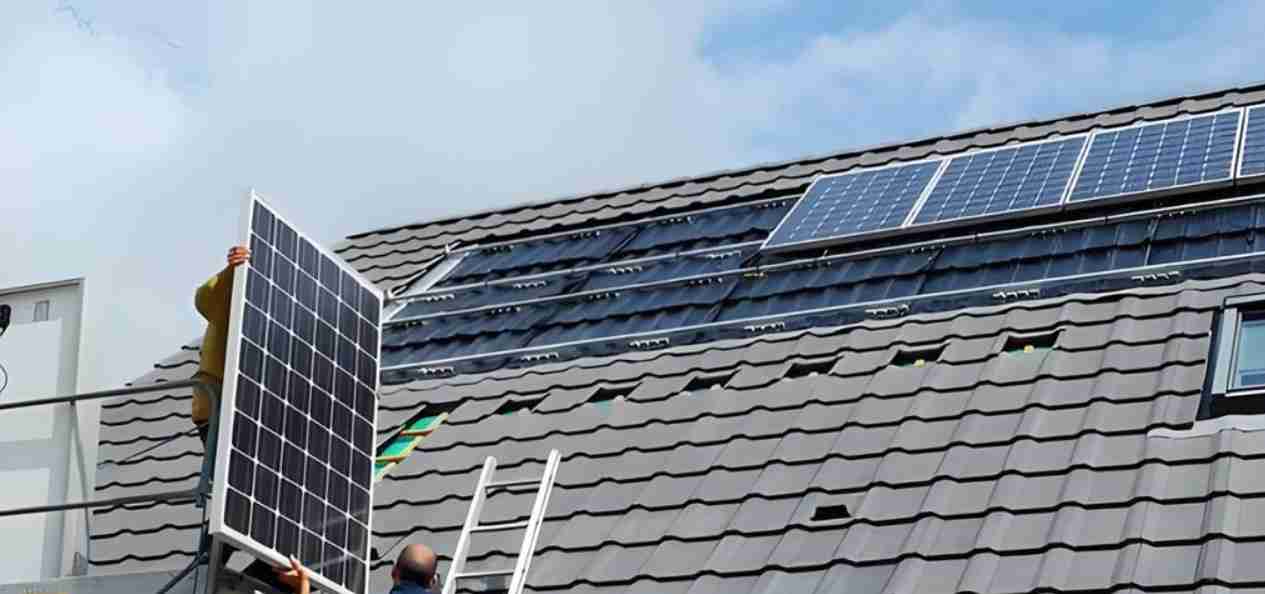
Mounting hardware on an aging roof leads to expensive double labor during future home updates. When shingles fail halfway through a solar panel system’s lifespan, technicians must dismantle the array to perform basic repairs. Removing mounting rails, unhooking electrical wiring, and storing solar modules during structural construction doubles overall labor expenses. Addressing aging shingles beforehand provides a clean, continuous substrate, eliminating repetitive tear-offs and protecting the structural envelope beneath the array.
What Makes Solar-Ready Roofing Essential Before Installing Panels?
Standard roof replacements often lack specialized waterproofing components necessary around structural solar penetrations. Every mounting bracket secured to a roof deck creates a potential path for water intrusion if improperly sealed. A dedicated solar-ready roofing system incorporates high-temperature underlayments along with heavy-duty flashing boots around primary attachment points before any racking bolts enter the wood.
Skipping structural preparation causes rain to collect directly against lag bolts, driving water into attic spaces and ceiling drywall. Building a solar-ready foundation aligns the structural deck with mechanical mounting hardware before panels arrive. High-heat underlayment resists extreme thermal buildup under photovoltaic modules, preventing premature material breakdown and keeping the roof deck dry during major storms.
How Does a Unified Project Streamline Your Solar Roof Installation?
Dividing roofing work and electrical installation between separate sub-contractors introduces scheduling conflicts and split liability. When a leak occurs on a newly finished roof, separate companies often debate whether damaged shingles or improper panel attachments caused the issue. Choosing one contractor to handle structural repairs and panel setup puts full operational accountability under a single roof inspection team.
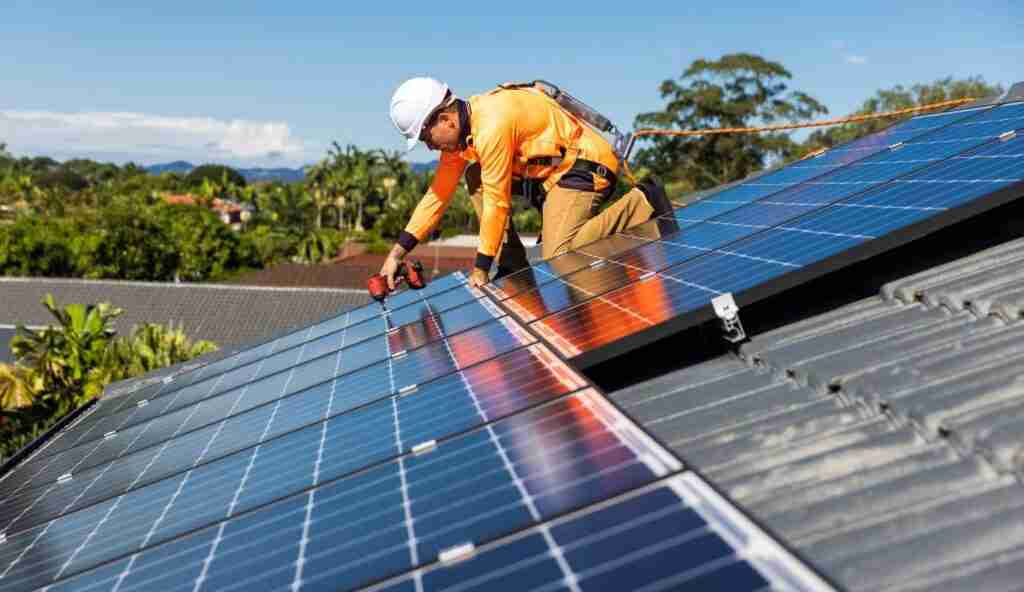
Managing both upgrades under one unified timeline reduces property disruption and shortens overall project duration. Construction crews execute structural tear-offs, underlayment placement, flashing installation, and solar rack attachment in one continuous sequence. This synchronized workflow eliminates duplicate permitting steps, keeps job sites organized, and guarantees every penetration aligns with the underlying roofing material.
What Impact Does Integrated Flashing Have on System Longevity?
Improperly sealed mounting anchors subject underlying plywood decking to constant stress from expanding and contracting materials. Direct heat exposure makes standard sealant brittle over time, causing small gaps to form around exposed screws. In an integrated installation, installers weave custom metal flashings directly into the shingle course, creating a continuous water barrier that channels rain away from penetration points.
Combining roofing expertise with electrical knowledge stops water from pooling behind solar racking frames. Custom flashing layouts account for roof pitch, rainwater flow paths, and structural weight distribution. Protecting attachment points at the decking level shields internal framing members from moisture damage and preserves the overall structural rating of the property.
Why Does a Dual Installation Improve Long-Term Property Value?
Upgrading a home’s roof and energy generation capacity simultaneously creates a clean visual presentation and improves building efficiency. Mismatched components or outdated shingle colors beneath modern solar arrays negatively impact curb appeal and complicate future home assessments. Installing a fresh shingle base alongside sleek solar panels yields a cohesive exterior finish that enhances real estate marketability.
A single dual-purpose upgrade reduces ongoing maintenance overhead for homeowners. Completing both tasks together lowers soft costs like site evaluations, staging equipment, and permit processing fees compared to scheduling separate projects years apart. Combining these capital improvements lowers utility dependency while maximizing overall property performance.
Why Is Professional Workmanship Vital for Long-Term System Performance?
Improperly anchored solar racking exerts concentrated uplift forces across rafter systems during high wind events. Loose bracket assemblies pull against shingle courses, cracking structural seals and permitting moisture intrusion. When skilled technicians oversee a comprehensive solar roof installation, every mounting foot connects directly into structural framing members without compromising surrounding weather barriers.
System inspections confirm that wiring runs, junction boxes, and roof penetrations remain completely watertight. Skilled execution protects structural integrity while maintaining maximum power generation from the array. Investing in an integrated upgrade secures the building envelope while delivering reliable energy output.
Guyou Roofing & Solar supplies the technical skill needed to fortify homes throughout Riverside and Southern California. Coordinating roof upgrades and clean energy installations with one local team simplifies project management and protects your financial investment. Resolving roof decay before system mounting stops water leaks early and sets up a dependable foundation for clean power generation.